
 info@givemetrees.org
What is Social Forestry and it's Benefits?
06 May, 2026
3 min read
Social forestry might sound like a new term for many of us, but this concept is gaining a lot of popularity and traction from environmentalists, environmental organizations, non-profit organizations, and various governments too. Social Forestry refers to the management, preservation, and protection of forests with the involvement of local communities, aimed at achieving ecological, social, and economic benefits. It aims to address environmental issues while also empowering local communities by providing them with employment opportunities.
Its primary purpose is afforestation i.e. to plant trees to increase the green cover and protect the environment from adverse climatic conditions, and increase the agro-food production.
The thing that differentiates social forestry and other forestry projects is the involvement of local communities. Social Forestry is the most effective way to achieve sustainable rural development. Also, by taking involvement in planting trees, people become aware and conspicuous that how important it is to work for the protection of our environment.
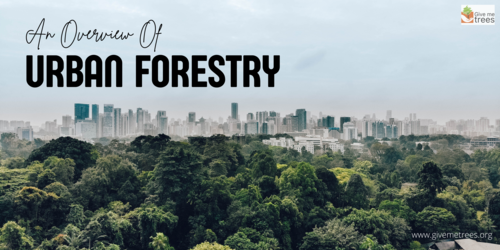
Social Forestry can be classified into 3 types - Agro-Forestry, Farm Forestry, and Urban Forestry.
Out of these, 'Give Me Trees Trust' is working on the concept of Urban Forestry at large. We are working to set up mini forests and create more green patches on private and public lands in the urban areas including parks, streets, barren lands, and other spaces. We are involved in the plantation, preservation, and maintenance of trees through different afforestation projects. Through this work, we are providing environmental, social, and economic benefits to the people living in the surrounding communities.
Benefits of Social Forestry
1. Provides a source of livelihood for local communities through sustainable forest management practices.
2. Helps to mitigate the effects of climate change by absorbing carbon dioxide and other greenhouse gases from the atmosphere.
3. Helps in energy conservation and reducing overall atmospheric temperatures.
4. Enhances biodiversity and promotes the conservation of endangered species.
5. Improves the soil quality and prevents soil erosion.
6. Provides shade, reduces air pollution, and improves the overall quality of life in urban areas.
7. Supports watershed management and improves access to clean water.
8. Mitigates the effects of noise pollution in urban areas.
9. Provides opportunities for recreation and tourism.
10. Contributes to better health and improved general well-being of people.
Social Forestry, if done at a bigger level and taken seriously, can make a big impact on solving the environmental, food, water, and economic crisis that the world is facing today. It is still not a vastly implemented practice, especially in India. Being an agriculture-intensive economy, India can gain numerous benefits from Social Forestry and Urban Forestry.
Liked it? Pin it!
Latest Posts
10 Common Butterflies of India
India is home to a diverse range of butterfly species, with over 1,500 known species....

Tree Planting Method: Simple Steps to Plant a Tree
Planting a tree is a wonderful way to help the environment and beautify your surroundings....
Monoculture Tree Plantation Method
Monoculture tree plantation refers to the practice of growing only one species of tree in...
Difference between afforestation and reforestation
Afforestation and reforestation are two important terms that describe different types of forest restoration. Both...
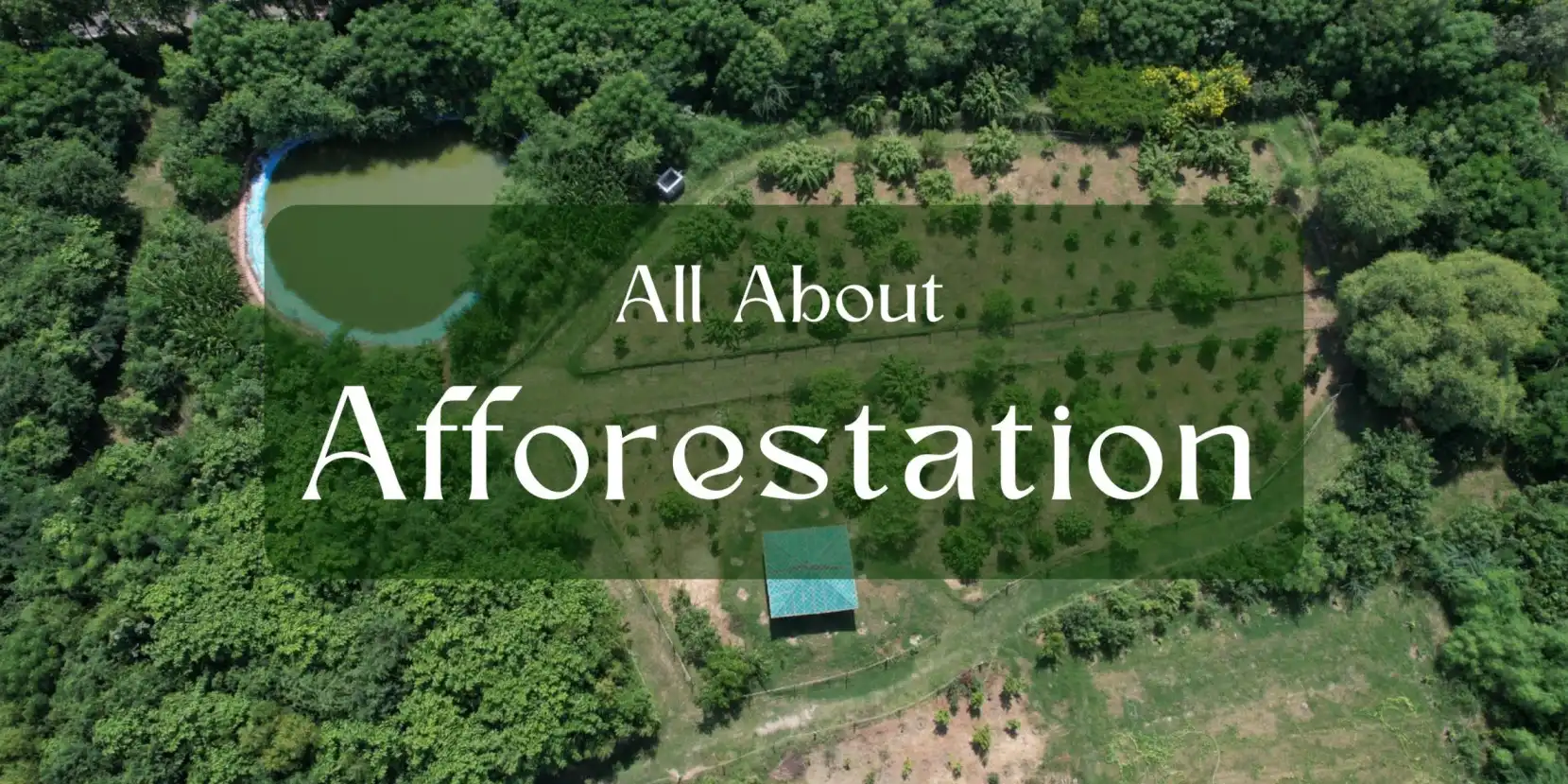
What is Afforestation?
Afforestation is the process of planting trees on a barren land or a place where...
Latest Blogs
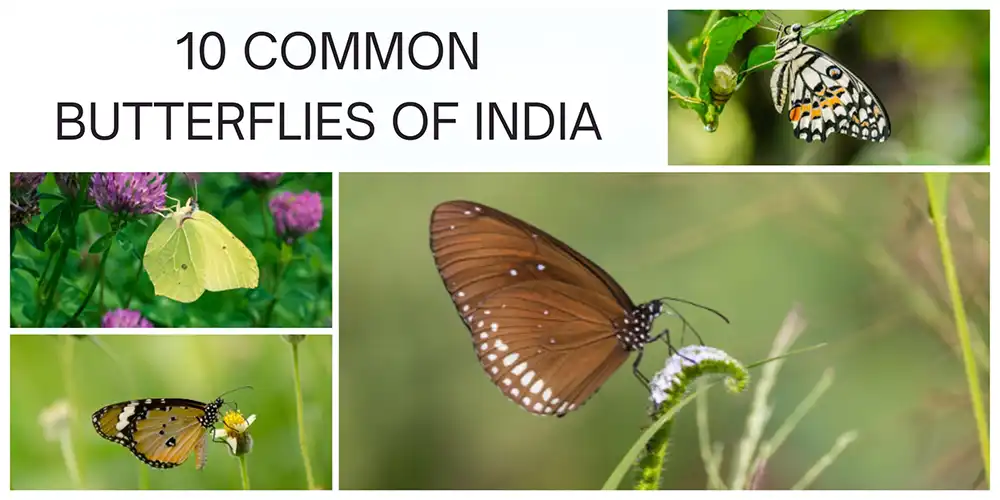
10 Common Butterflies of India
India is home to a diverse range of butterfly species, with over 1,500 known species. Here are 10 of the most common butterflies found in India.
Read More
Tree Planting Method: Simple Steps to Plant a Tree
Planting a tree is a wonderful way to help the environment and beautify your surroundings. Proper tree planting method ensures that trees grow strong and healthy, making them more resistant to diseases and pests, and more resilient to harsh weather conditions.
Read More
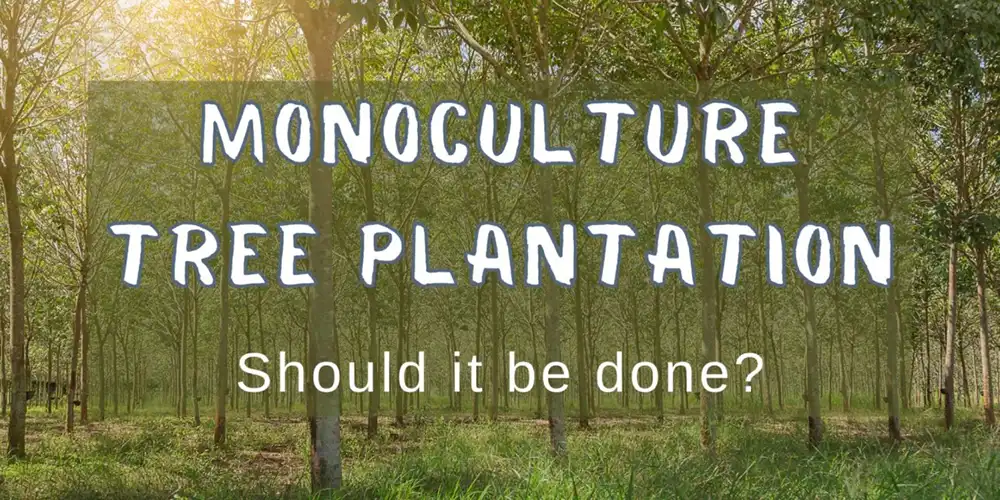
Monoculture Tree Plantation Method
Monoculture tree plantation refers to the practice of growing only one species of tree in a particular area. The monoculture practice of planting trees has both positive and negative consequences. Let's understand both of them.
Read More
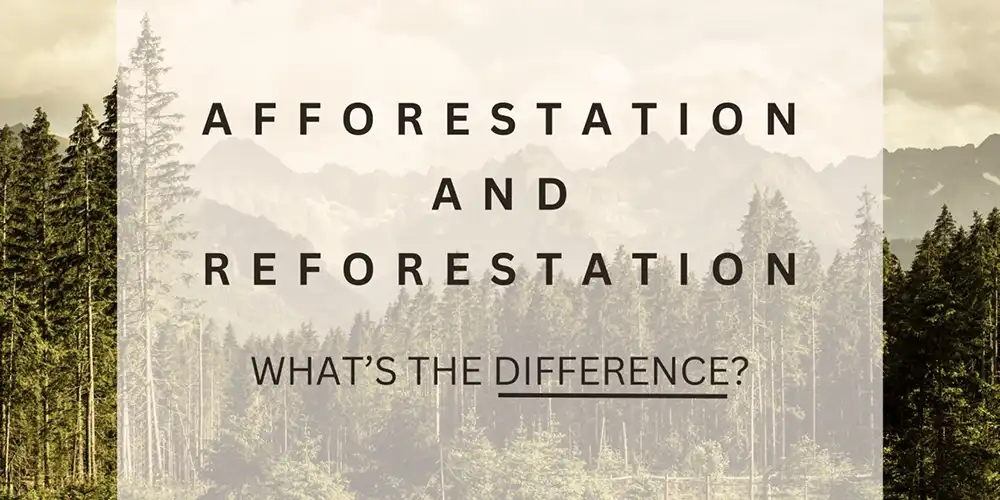
Difference between afforestation and reforestation
Afforestation and reforestation are two important terms that describe different types of forest restoration. Both concepts involve the planting of trees on land but they are not the same fundamentally.
Read More
What is Afforestation?
Afforestation is the process of planting trees on a barren land or a place where there was no forest ever. This practice is often used to combat deforestation, which is the loss of trees due to human activities such as logging and land clearance for urbanization.
Read More