
 info@givemetrees.org
What is Miyawaki Method of Plantation?
07 May, 2026
3 min read
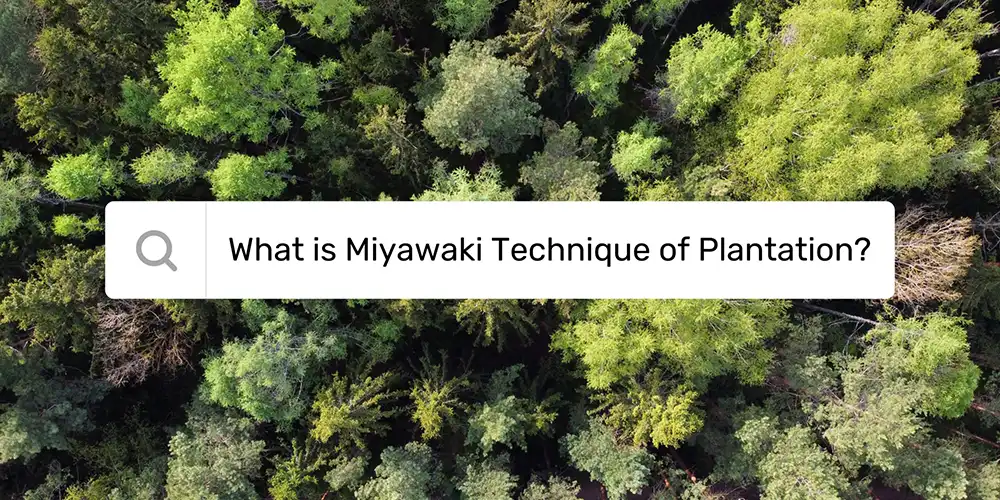
The Miyawaki plantation technique is a unique method of afforestation that was developed in Japan by a botanist named Akira Miyawaki. This method involves planting a diverse range of native tree species in a small area, which then grow into a dense, multilayered forest. The aim of this technique is to create a forest that is self-sustaining, with a high level of biodiversity that can help to restore degraded land and combat climate change. The Miyawaki technique is known for its ability to grow forests quickly, with trees that are shorter and wider than those found in traditional forests.
Advantages of the Miyawaki Plantation Technique
Miyawaki plantation is a unique and innovative approach to reforestation that offers several advantages over traditional methods.
1. One of the main benefits of Miyawaki plantation is that it can help to restore biodiversity in degraded areas. By planting a diverse range of native species in intimate proximity to one another, this method creates a microclimate that encourages rapid growth and development, resulting in a forest that is more resistant to disease and pests.
2. Another advantage of the Miyawaki plantation is that it can help to mitigate the effects of climate change. Trees absorb carbon dioxide from the atmosphere, and by planting a dense forest using the Miyawaki method, carbon sequestration is increased, which can help reduce the effects of global warming.
3. Miyawaki plantation is also a cost-effective method of reforestation. By planting a dense forest in a small area, the cost of planting and maintenance is greatly reduced. Additionally, the forests that are created using this method require less maintenance and can grow more quickly than traditional forests.
Overall, Miyawaki Plantation offers numerous benefits that make it an excellent choice for reforestation efforts. It is a cost-effective, efficient, and environmentally friendly way to restore degraded land and help mitigate the effects of climate change.
Disadvantages of the Miyawaki Planting Method
1. One disadvantage of the Miyawaki plantation is the limited genetic diversity of the planted trees. The technique involves planting a high density of trees of the same species, which can result in a lack of genetic diversity. This can make the forest more susceptible to diseases, pests, and other environmental stresses.
2. The movement of wildlife species is restricted due to less availability of space between the trees.
3. The Miyawaki technique may not be suitable for all locations or types of soil. It requires specific soil conditions to be successful, and may not be effective in areas with poor soil quality or where there is a high risk of erosion.
Overall, the Miyawaki plantation technique is a promising approach to reforestation that has gained popularity around the world in recent years.
Latest Posts

10 Common Butterflies of India
India is home to a diverse range of butterfly species, with over 1,500 known species....

Tree Planting Method: Simple Steps to Plant a Tree
Planting a tree is a wonderful way to help the environment and beautify your surroundings....
Monoculture Tree Plantation Method
Monoculture tree plantation refers to the practice of growing only one species of tree in...

Difference between afforestation and reforestation
Afforestation and reforestation are two important terms that describe different types of forest restoration. Both...
What is Afforestation?
Afforestation is the process of planting trees on a barren land or a place where...
Latest Blogs
10 Common Butterflies of India
India is home to a diverse range of butterfly species, with over 1,500 known species. Here are 10 of the most common butterflies found in India.
Read More
Tree Planting Method: Simple Steps to Plant a Tree
Planting a tree is a wonderful way to help the environment and beautify your surroundings. Proper tree planting method ensures that trees grow strong and healthy, making them more resistant to diseases and pests, and more resilient to harsh weather conditions.
Read More
Monoculture Tree Plantation Method
Monoculture tree plantation refers to the practice of growing only one species of tree in a particular area. The monoculture practice of planting trees has both positive and negative consequences. Let's understand both of them.
Read More
Difference between afforestation and reforestation
Afforestation and reforestation are two important terms that describe different types of forest restoration. Both concepts involve the planting of trees on land but they are not the same fundamentally.
Read More
What is Afforestation?
Afforestation is the process of planting trees on a barren land or a place where there was no forest ever. This practice is often used to combat deforestation, which is the loss of trees due to human activities such as logging and land clearance for urbanization.
Read More