
 info@givemetrees.org
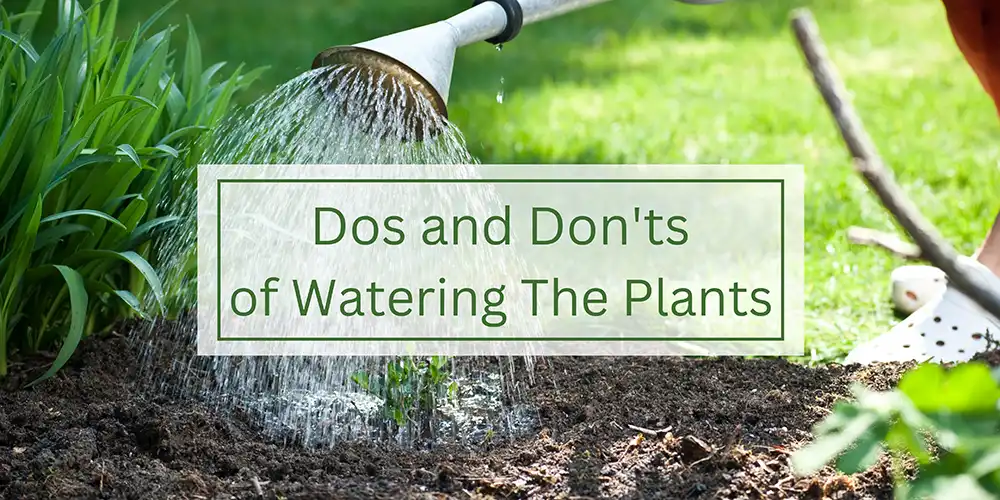
The Dos and Don'ts of Watering Plants
06 May, 2026
2 min read
Watering requirements according to plant types
The type of plant determines how much and when it needs to be watered.
1. Succulents: Succulents like cactus and other native plants are drought-tolerant and require only intermittent irrigation since they are suited to dry environments. Water frequently, but deeply and thoroughly. The succulents should be watered only when they become dry. Don't water it if it's moist. By keeping the soil moist all the time, its roots will rot.
2. Tropical Plants: Tropical plants should be given water only once a week. Keep the soil mostly moist but not soggy. Water needs to be able to drain. Tropical plants tend to survive with more water. For example, Ferns and orchids demand soil that is wet. They might need to be watered more often.
3. Vegetables: In order to maintain their quick growth, these plants typically require constant watering three times a week. Most vegetables need about 1 to 2 inches of water each week. If the plants are seedlings, water them twice a day until established. If the soil is dry an inch below the surface you should water the vegetables then only.
4. Fruit Plants: You should water the fruit plants weekly during the first year. Many fruit trees require deep watering. Watering may also depend on the soil they’re planted in. Water the fruit plants according to their variety. Until the fruit trees grow big in size and mature, they need to be regularly watered. Matured fruit trees require intermittent watering.
5. Shrubs and Perennials: Watering requirements for shrubs and perennials vary, but most appreciate routine watering, particularly during dry times.
By paying attention to the soil moisture level, the time of day, and the kind of plant you can water the plants accordingly and ensure your plants stay healthy and happy.
Liked It? Pin It!

Latest Posts
10 Common Butterflies of India
India is home to a diverse range of butterfly species, with over 1,500 known species....
Tree Planting Method: Simple Steps to Plant a Tree
Planting a tree is a wonderful way to help the environment and beautify your surroundings....
Monoculture Tree Plantation Method
Monoculture tree plantation refers to the practice of growing only one species of tree in...

Difference between afforestation and reforestation
Afforestation and reforestation are two important terms that describe different types of forest restoration. Both...
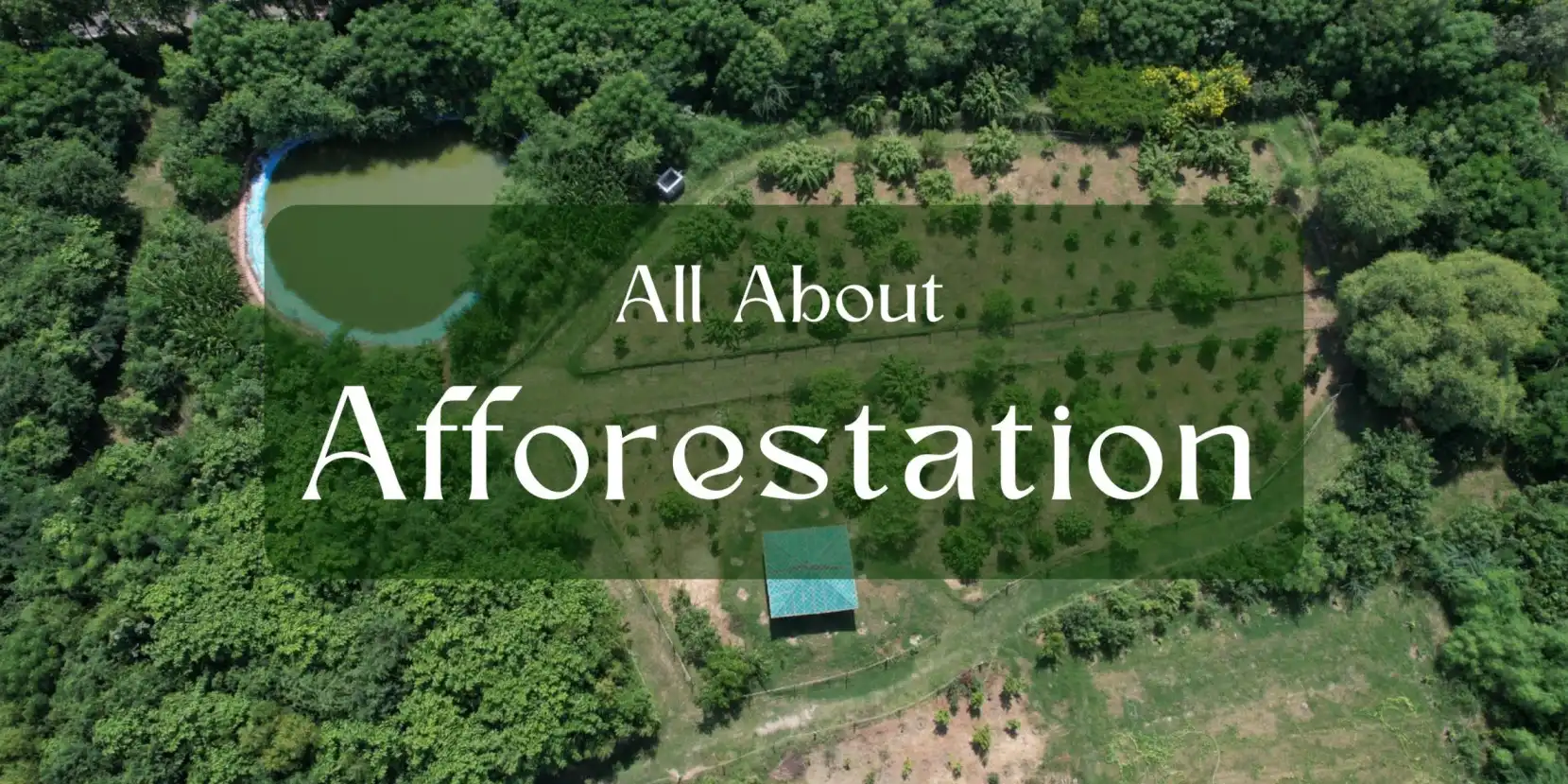
What is Afforestation?
Afforestation is the process of planting trees on a barren land or a place where...
Latest Blogs
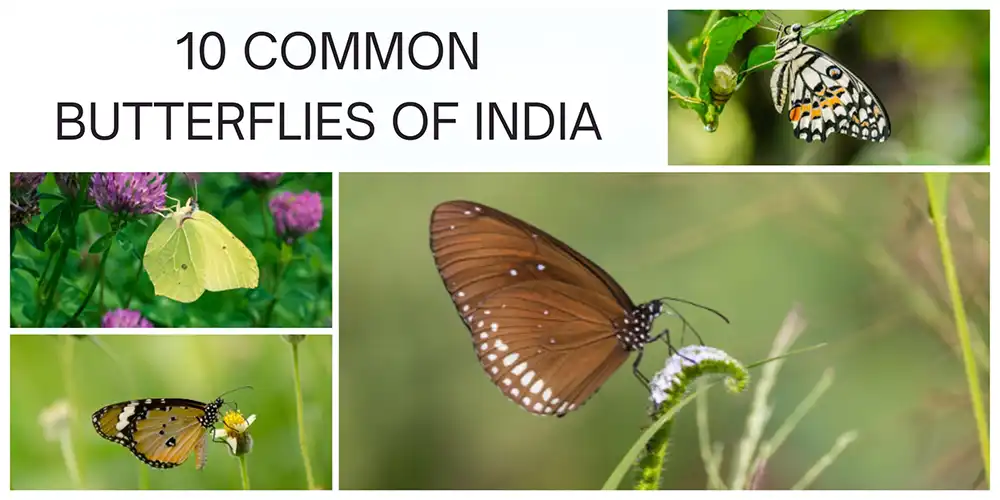
10 Common Butterflies of India
India is home to a diverse range of butterfly species, with over 1,500 known species. Here are 10 of the most common butterflies found in India.
Read More
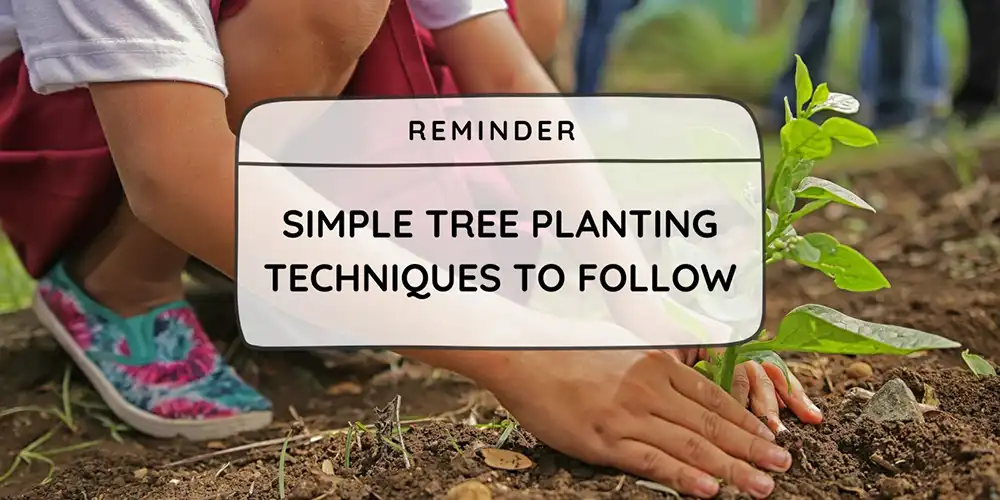
Tree Planting Method: Simple Steps to Plant a Tree
Planting a tree is a wonderful way to help the environment and beautify your surroundings. Proper tree planting method ensures that trees grow strong and healthy, making them more resistant to diseases and pests, and more resilient to harsh weather conditions.
Read More
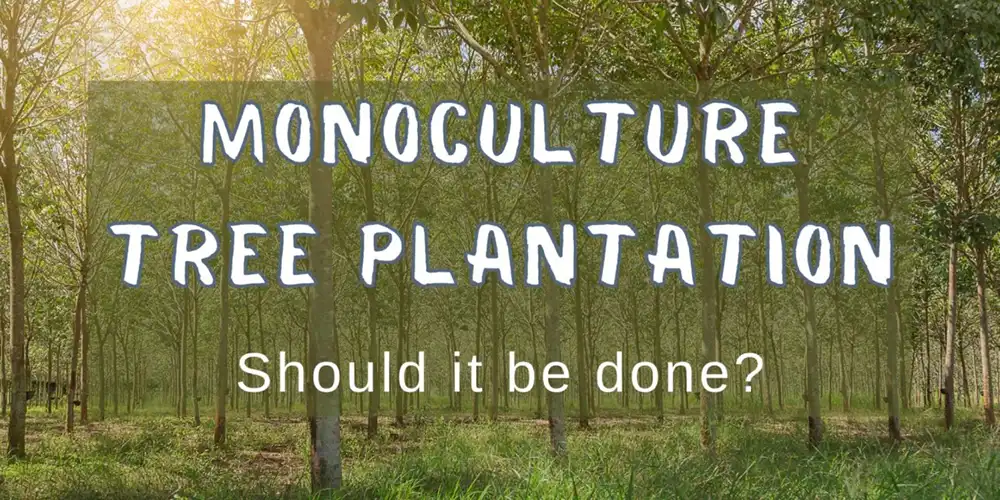
Monoculture Tree Plantation Method
Monoculture tree plantation refers to the practice of growing only one species of tree in a particular area. The monoculture practice of planting trees has both positive and negative consequences. Let's understand both of them.
Read More
Difference between afforestation and reforestation
Afforestation and reforestation are two important terms that describe different types of forest restoration. Both concepts involve the planting of trees on land but they are not the same fundamentally.
Read More
What is Afforestation?
Afforestation is the process of planting trees on a barren land or a place where there was no forest ever. This practice is often used to combat deforestation, which is the loss of trees due to human activities such as logging and land clearance for urbanization.
Read More