
 info@givemetrees.org
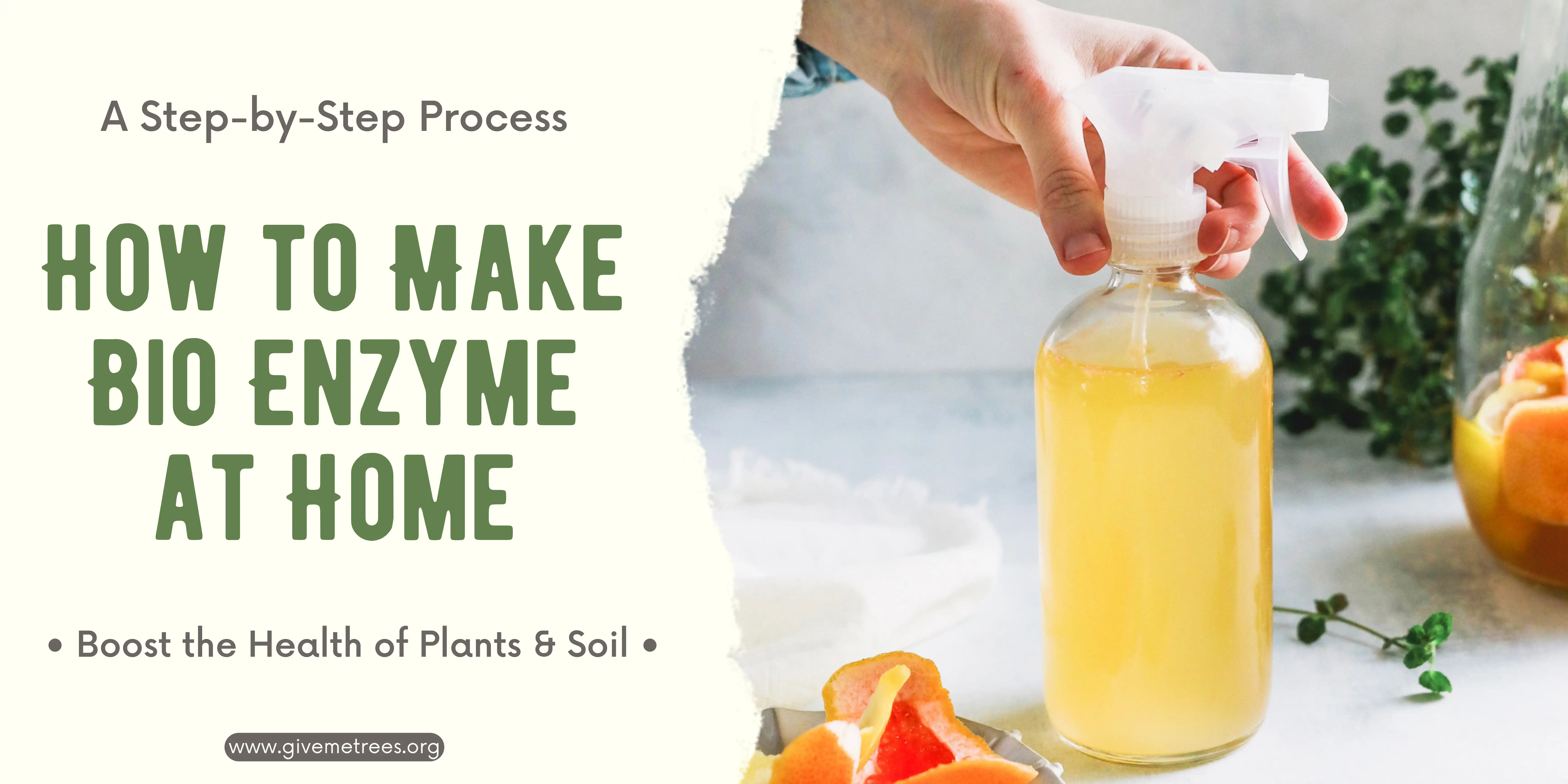
How to Make Bio Enzyme at Home
06 May, 2026
5 min read
Bio enzyme is something that most gardening lovers must be aware of. Well, for those who are new to it and are thinking of making bio enzymes at home, we are here to help you get started. Making bio enzymes is one of the sustainable solutions for improving the health of plants and making the soil fertile.
Bio enzyme is an organic fertilizer created by the process of fermentation using vegetable waste, fruit peels, jaggery, and water. In simple language, bio enzyme is an organic liquid compost produced by bacteria using kitchen waste. There is almost no cost involved in making the bio-enzyme except for jaggery which you might have to purchase from the market.
To make bio enzyme liquid, you will need the following ingredients:
· Fruit scraps/ vegetable peels
· Jaggery
· Water
· Airtight container/ bottle


Steps to Make Bio-Enzyme Liquid for Plants
1. Collect fruit/vegetable peels or waste from your kitchen.
2. Chop the waste into small pieces.
3. Take an empty plastic bottle or container
4. Add the kitchen waste and water in the container in equal parts.
5. Add some jaggery to the solution (approx. 50 grams in a 2-liter bottle). Jaggery acts as a catalyst and gas is produced from the process of fermentation.
6. Leave 20% part of the bottle or container empty. This is important as gas is produced inside the container and it needs space.
7. Mix the solution properly and cover the container loosely with a lid and bottle with a cap.
8. Store the container in a dark place at room temperature. Do not keep it in sunlight.
9. During the first 30 days, open the cap of the bottle every day to release the gases that are formed inside it. There are many gases produced during the initial stage called a catalyst.
10. Leave the container aside for the next two months.
11. After approx. 3 months, your bio enzyme will be ready. If you see the peels and waste material settled at the bottom and clear liquid on the top, it’s the confirmation that the bio enzyme is ready for use.
12. Strain the liquid and transfer it to a clean container.
13. Dilute it with water. The ratio should be 10% bio enzyme liquid and 90% water.
14. Your bio-enzyme liquid is ready. Spray it on the soil and plants.

Watch the below video by Peepal Baba and learn how to make Bio Enzyme at Home
Important things to keep in mind while making bio enzymes
Do's:
1. Use clean equipment and utensils to avoid contamination.
2. Use fresh organic fruit or vegetable scraps as they contain natural enzymes that aid in fermentation.
3. Use fresh fruit peels or vegetable scrap to make the bio enzyme.
4. Store the enzyme in a cool, dark place to prevent spoilage.
5. Label the container with the date it was made to keep track of its freshness.
6. Dilute the enzyme before use to avoid damaging surfaces.
7. Stir the mixture occasionally to prevent mold growth and ensure even fermentation.
Don'ts:
1. Use rotten or moldy fruit peels or vegetable waste to make the enzyme.
2. Use metal utensils or containers as they can react with the enzyme.
3. Keep the enzyme in direct sunlight or high temperatures as it can reduce its effectiveness.
4. Mix different types of enzymes as they may have different pH levels and can cancel out each other's benefits.
5. Use undiluted enzymes directly on surfaces as they can cause damage.
Benefits of Bio Enzyme
Bio enzymes can be used as a natural fertilizer for plants. Bio enzymes help to break down the organic matter and make nutrients more accessible to plants. This can lead to improved plant growth, increased yields, and better resistance to stress and disease. Bio enzymes can help to improve soil structure and fertility, leading to healthier and more productive ecosystems. Additionally, bio enzymes can help to remediate contaminated soils by breaking down pollutants and reducing their toxicity.
Save your money and the environment by turning your kitchen waste into a natural fertilizer for plants. It could take a few tries to get the bio enzymes right. It would require patience to pull it off. Once you've mastered it, you can make large quantities of bio enzymes and gift them to your family and friends.
Liked It? Pin It!
Latest Posts
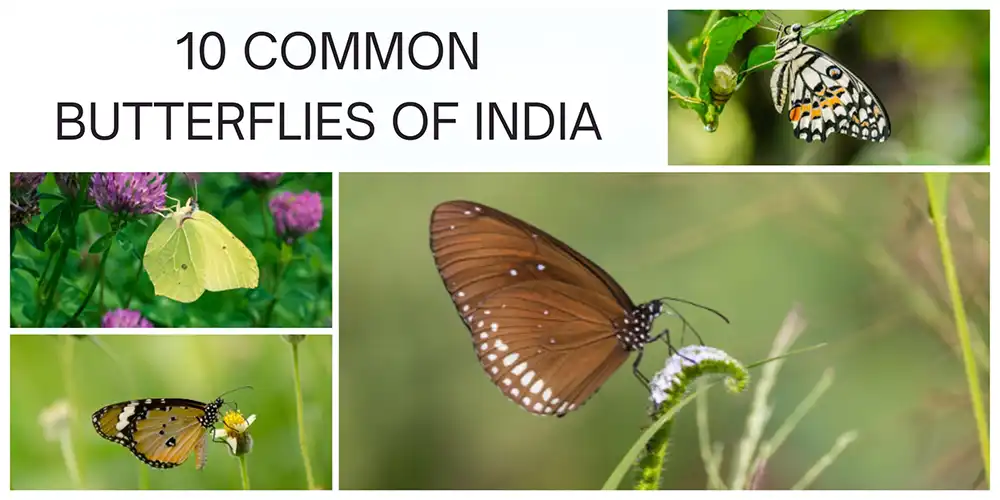
10 Common Butterflies of India
India is home to a diverse range of butterfly species, with over 1,500 known species....
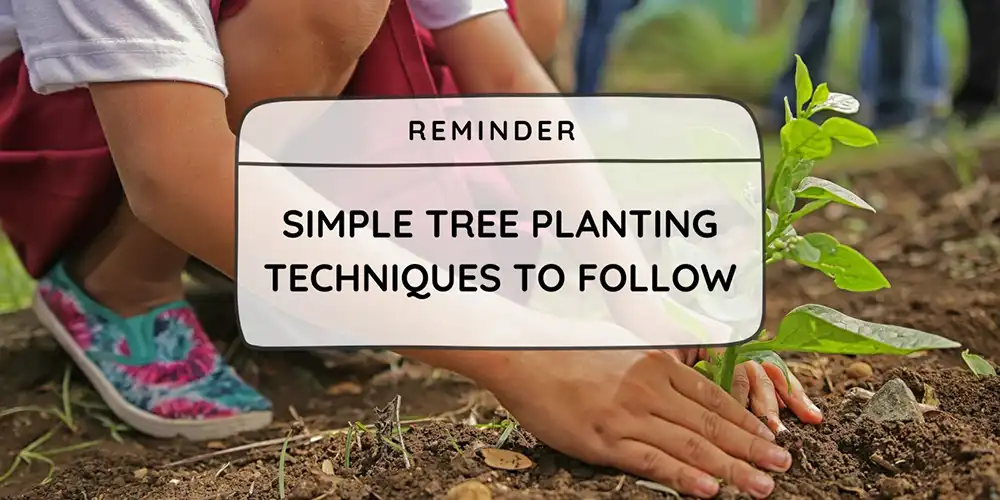
Tree Planting Method: Simple Steps to Plant a Tree
Planting a tree is a wonderful way to help the environment and beautify your surroundings....
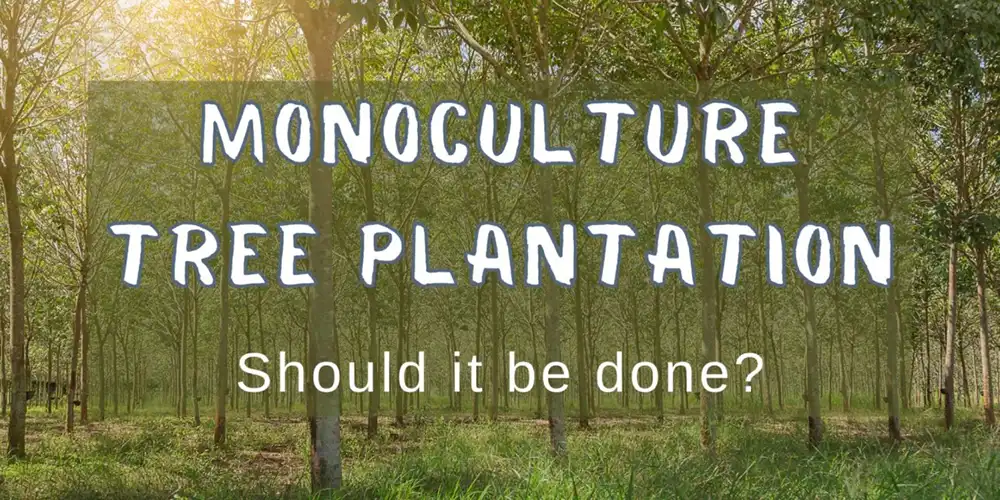
Monoculture Tree Plantation Method
Monoculture tree plantation refers to the practice of growing only one species of tree in...
Difference between afforestation and reforestation
Afforestation and reforestation are two important terms that describe different types of forest restoration. Both...
What is Afforestation?
Afforestation is the process of planting trees on a barren land or a place where...
Latest Blogs
10 Common Butterflies of India
India is home to a diverse range of butterfly species, with over 1,500 known species. Here are 10 of the most common butterflies found in India.
Read More
Tree Planting Method: Simple Steps to Plant a Tree
Planting a tree is a wonderful way to help the environment and beautify your surroundings. Proper tree planting method ensures that trees grow strong and healthy, making them more resistant to diseases and pests, and more resilient to harsh weather conditions.
Read More
Monoculture Tree Plantation Method
Monoculture tree plantation refers to the practice of growing only one species of tree in a particular area. The monoculture practice of planting trees has both positive and negative consequences. Let's understand both of them.
Read More
Difference between afforestation and reforestation
Afforestation and reforestation are two important terms that describe different types of forest restoration. Both concepts involve the planting of trees on land but they are not the same fundamentally.
Read More
What is Afforestation?
Afforestation is the process of planting trees on a barren land or a place where there was no forest ever. This practice is often used to combat deforestation, which is the loss of trees due to human activities such as logging and land clearance for urbanization.
Read More