
 info@givemetrees.org
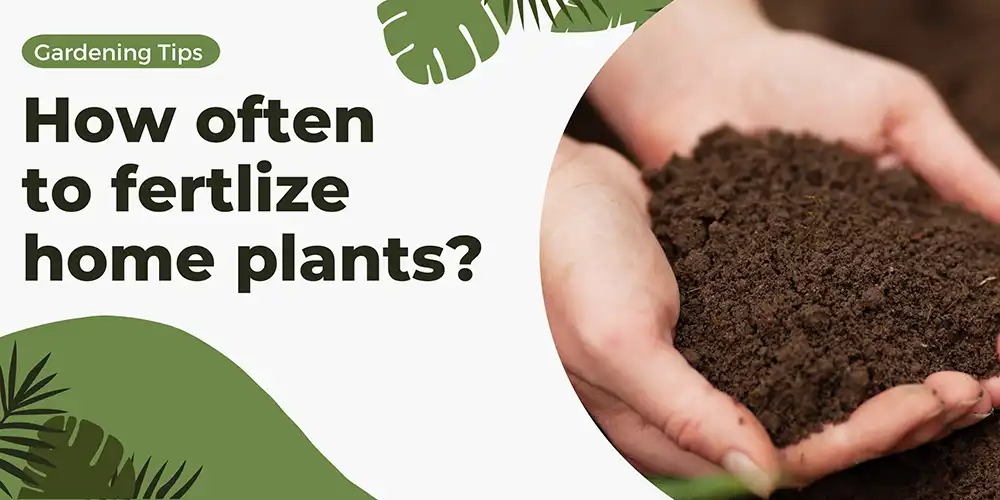
How Often Should Home Plants be Fertilized
07 May, 2026
3 min read
Indoor gardening has grown in popularity as people strive to incorporate the beauty and benefits of nature into their living spaces. Properly fertilizing house plants is an important component of effective indoor gardening, as it provides the nutrients required for robust growth and bright leaves. In this article, we will look at the factors that determine how frequently and how much we should fertilize our home plants.
1. Understanding Individual Plant Requirements
Understanding the varying nutrient requirements of many plant species is the foundation of effective fertilization. Each plant, like humans, has distinct food requirements. Some plants are considered "heavy feeders" requiring more frequent and regular fertilization to thrive, whilst others may be more sensitive to over-fertilization and prefer a milder fertilization regime.
2. Adapting to Different Growth Stages
Plants go through several stages of growth throughout the year, and their nutritional needs fluctuate appropriately. Plants require extra nutrients during active growth stages, such as spring and summer, to support their rapid development and flowering. As autumn and winter approaches, many plants enter a period of dormancy or sluggish development, and fertilization should be regulated accordingly. Reduced or even suspended fertilization during this period reduces the risk of nutritional imbalances and ensures that the plant's energy is channelled effectively.
3. Selecting the Best Fertiliser
There are numerous fertilizers in the market, each with unique properties and nutrient contents. Fertilizers in liquid, granular, and slow-release forms are popular. Because liquid fertilizers absorb nutrients quickly, they are perfect for regular usage during the growing season. Granular fertilizers gradually release nutrients over time, needing less frequent treatment. Slow-release fertilizers are convenient because they give a consistent supply of nutrients over time, minimizing the need for frequent fertilizing. The fertilization process is simplified by selecting the proper fertilizer type and formulation based on plant demands.
4. Role of Environmental Factors
The frequency of fertilization is also affected by environmental factors. Plants grown in well-lit, warm conditions have higher nutritional requirements due to increased metabolic activity and development. Those who live in poorly lit or cooler environments, on the other hand, may require less nutrition.
How often should plants be fertilized?
The frequency of fertilizing your plants will depend on the type of plant, the type of soil it is planted in, and the type of fertilizer you are using. Generally, plants need to be fertilized every four to six weeks during the growing season, which is typically spring and summer.
It is important to note that over-fertilizing can be harmful to your plants, causing them to become burned or even die. Therefore, it is essential to follow the instructions on the fertilizer packaging and ensure that you are not over-fertilizing your plants. Additionally, it is recommended that you water your plants before applying fertilizer as this can help to prevent root damage.
Conclusion:
Fertilizing house plants is an art that necessitates a deliberate and personalized approach. In order to figure out when and how often to fertilize plants, it is important to understand each plant's particular demands, responding to their growth stages, selecting the proper fertilizer, and taking environmental elements into account are all critical parts of successful fertilization. Gardeners can guarantee their plants receive the ideal nourishment they require to thrive by providing adequate care and attention, resulting in a lush, green, and gorgeous oasis. So, roll up your sleeves, get to know your plants, and begin on a journey to bring your indoor garden to new heights through the power of fertilization.
Latest Posts
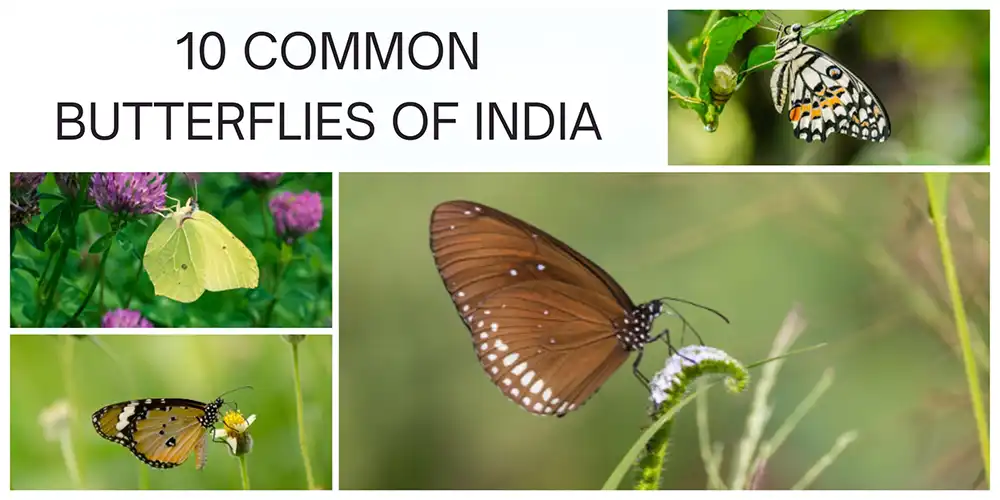
10 Common Butterflies of India
India is home to a diverse range of butterfly species, with over 1,500 known species....
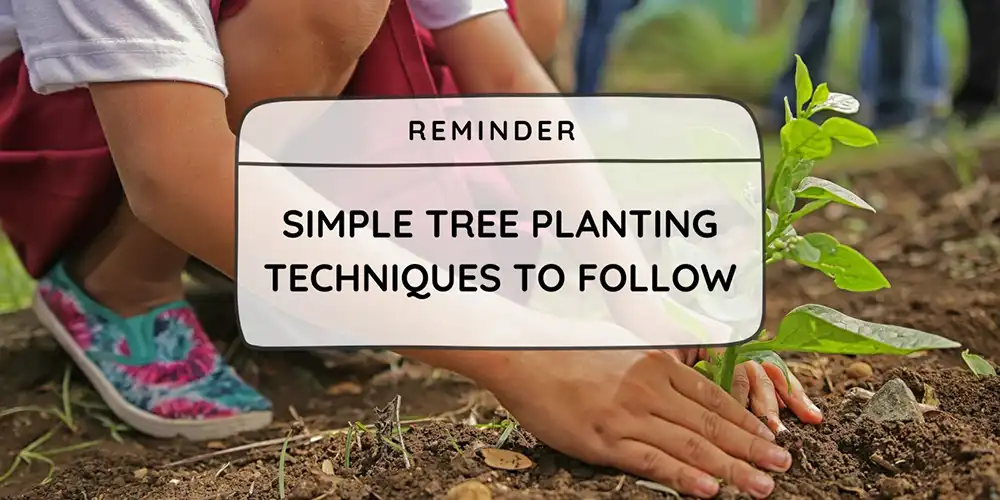
Tree Planting Method: Simple Steps to Plant a Tree
Planting a tree is a wonderful way to help the environment and beautify your surroundings....

Monoculture Tree Plantation Method
Monoculture tree plantation refers to the practice of growing only one species of tree in...

Difference between afforestation and reforestation
Afforestation and reforestation are two important terms that describe different types of forest restoration. Both...

What is Afforestation?
Afforestation is the process of planting trees on a barren land or a place where...
Latest Blogs
10 Common Butterflies of India
India is home to a diverse range of butterfly species, with over 1,500 known species. Here are 10 of the most common butterflies found in India.
Read More
Tree Planting Method: Simple Steps to Plant a Tree
Planting a tree is a wonderful way to help the environment and beautify your surroundings. Proper tree planting method ensures that trees grow strong and healthy, making them more resistant to diseases and pests, and more resilient to harsh weather conditions.
Read More
Monoculture Tree Plantation Method
Monoculture tree plantation refers to the practice of growing only one species of tree in a particular area. The monoculture practice of planting trees has both positive and negative consequences. Let's understand both of them.
Read More
Difference between afforestation and reforestation
Afforestation and reforestation are two important terms that describe different types of forest restoration. Both concepts involve the planting of trees on land but they are not the same fundamentally.
Read More
What is Afforestation?
Afforestation is the process of planting trees on a barren land or a place where there was no forest ever. This practice is often used to combat deforestation, which is the loss of trees due to human activities such as logging and land clearance for urbanization.
Read More