
 info@givemetrees.org
5 Best Trees for Agroforestry
07 May, 2026
3 min read
Agroforestry is a sustainable land use system that integrates trees, crops, and livestock. It is a way of managing land that can provide multiple benefits, including soil conservation, biodiversity conservation, and improved livelihoods for farmers. Agroforestry is the cultivation and use of trees and shrubs which are grown around or among crops. These trees are then sold on the market for profit. Agroforestry achieves a more ecologically diverse and sustainable production from the land than is possible through traditional methods. It contributes to the green economy by promoting renewable forest management.
Agroforestry has been becoming more and more popular in states like Punjab, Telangana, Andhra Pradesh, Uttar Pradesh, Maharashtra, and Haryana. When it comes to selecting trees for agroforestry, it is important to consider the local climate, soil, and the specific needs of the crops and livestock that will be integrated with the trees. Here are some of the best trees for agroforestry:
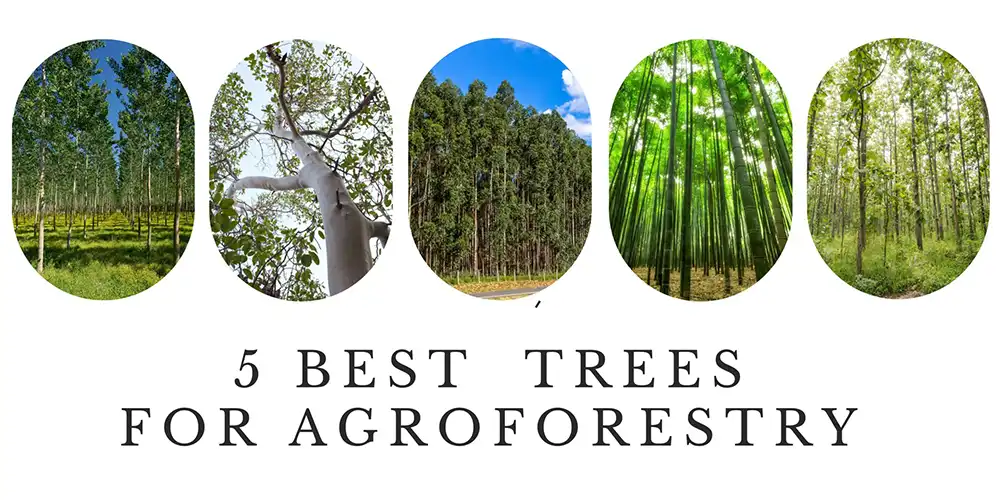
1. Poplar
Poplar tree saplings are sold for really cheap rates in markets. They can be grown both on the outskirts and inside the farm. Poplar trees do not require much maintenance and are durable. They grow at a very fast pace with proper watering and fertilising, reaching around 25 metres in just around 5 to 7 years. Poplar trees also sell at a good rate, ranging from ₹800 to ₹1,400 per quintal depending on the market. Poplar tree leaves can also be composted using dung water by burying it in a pit for 4 to 5 months.
2. Eucalyptus
Eucalyptus saplings grow well in areas with high groundwater levels. Eucalyptus trees take around 8 to 10 years to grow fully, reaching heights of 25 metres to 50 metres. These trees also work well as a windbreak, protecting crops from wind and protecting soil from erosion. They prefer humid and warm climates to grow in.
3. Teak
Teak woods require a long commitment as they take 20 to 25 years to fully mature. They can grow up to 40 metres tall. Teak trees require little to no maintenance and sell for a good rate on the market. They grow well in moist sites and require high calcium and organic matter in the soil to grow. Fertilisers are more effective in young teak trees rather than mature trees.
4. Bamboo
Bamboos are one of the fastest growing plants, growing at 4 cm per hour for some species. They can grow up to 40 metres tall and sell for a good price. Bamboo also protects soil from erosion and absorbs enormous amounts of carbon dioxide from the atmosphere. Bamboos grow best with frequent watering. In the initial years of plantation, the bamboos require intensive care and moisture.
5. Sandalwood
Sandalwood is often cited as the most expensive wood in the world. It has a wide variety of uses in fragrances, sculpting, medicine, and food. They grow up to 13 metres to 16 metres. After 30 years of growth, they are fit for harvesting. They sell for around ₹12,000 to ₹16,000 per kilogram. They thrive in hot and humid climates. Fertilisers can be used to obtain a higher yield.
These are just a few examples of trees that can be used in agroforestry systems. It is important to select the right tree species for the specific agroforestry system and to ensure that the trees are managed sustainably.
Latest Posts
10 Common Butterflies of India
India is home to a diverse range of butterfly species, with over 1,500 known species....

Tree Planting Method: Simple Steps to Plant a Tree
Planting a tree is a wonderful way to help the environment and beautify your surroundings....
Monoculture Tree Plantation Method
Monoculture tree plantation refers to the practice of growing only one species of tree in...

Difference between afforestation and reforestation
Afforestation and reforestation are two important terms that describe different types of forest restoration. Both...
What is Afforestation?
Afforestation is the process of planting trees on a barren land or a place where...
Latest Blogs
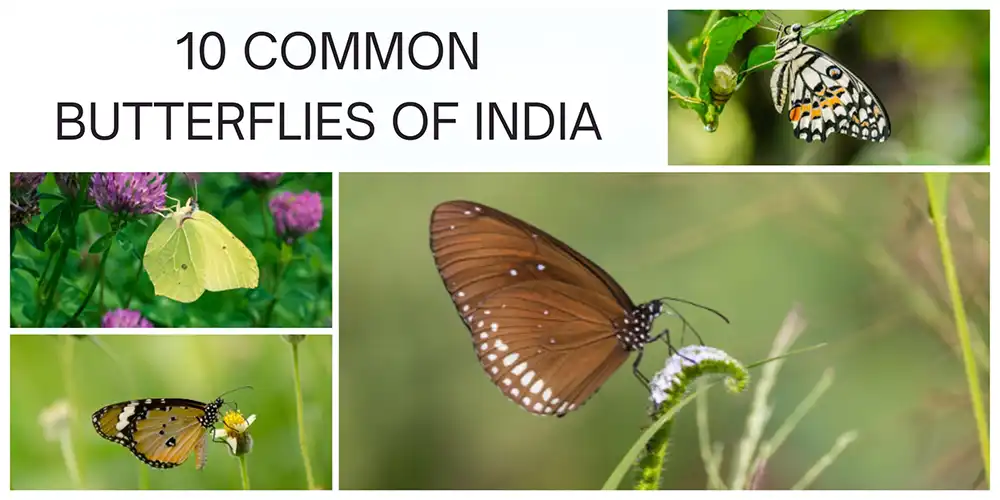
10 Common Butterflies of India
India is home to a diverse range of butterfly species, with over 1,500 known species. Here are 10 of the most common butterflies found in India.
Read More
Tree Planting Method: Simple Steps to Plant a Tree
Planting a tree is a wonderful way to help the environment and beautify your surroundings. Proper tree planting method ensures that trees grow strong and healthy, making them more resistant to diseases and pests, and more resilient to harsh weather conditions.
Read More
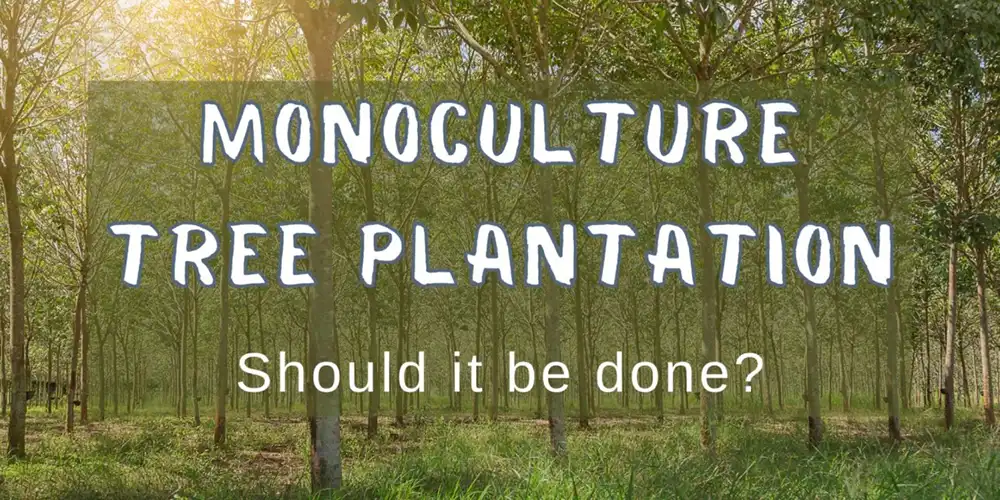
Monoculture Tree Plantation Method
Monoculture tree plantation refers to the practice of growing only one species of tree in a particular area. The monoculture practice of planting trees has both positive and negative consequences. Let's understand both of them.
Read More
Difference between afforestation and reforestation
Afforestation and reforestation are two important terms that describe different types of forest restoration. Both concepts involve the planting of trees on land but they are not the same fundamentally.
Read More
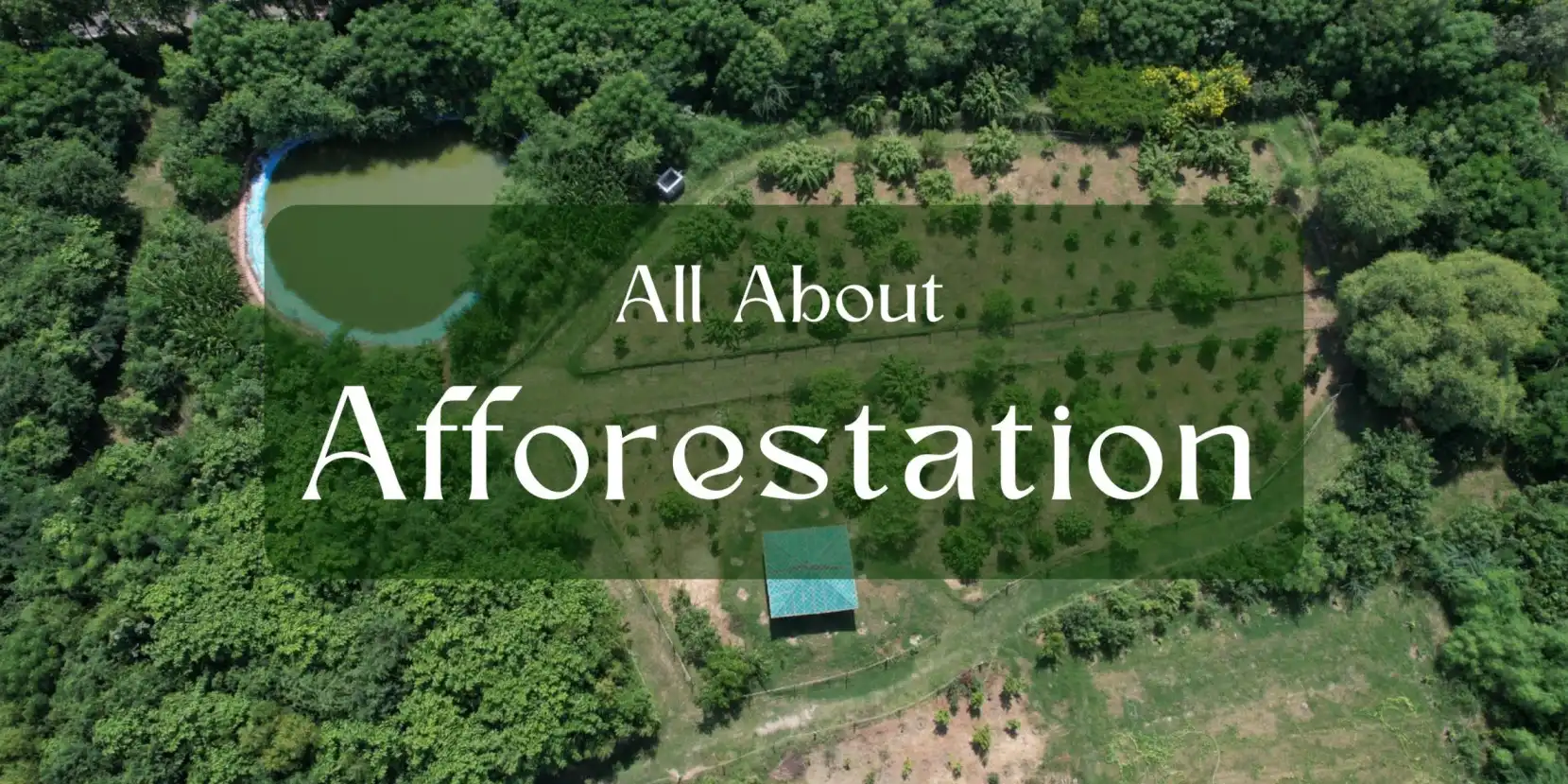
What is Afforestation?
Afforestation is the process of planting trees on a barren land or a place where there was no forest ever. This practice is often used to combat deforestation, which is the loss of trees due to human activities such as logging and land clearance for urbanization.
Read More